COPYRIGHT WARNING:
All pictures and texts in this web page are the property of nomaallim.com. Any use of any part of those contents without the written consent of nomaallim.com shall be subject to legal procedures as per international and local laws in the concerned country. Using the name "nomaallim" or "nomaallim com" or "nomaallim.com" in the text describing the unauthorized copied content shall not constitute an exception and shall be sanctioned in accordance to the effective laws and proceedings.
All pictures and texts in this web page are the property of nomaallim.com. Any use of any part of those contents without the written consent of nomaallim.com shall be subject to legal procedures as per international and local laws in the concerned country. Using the name "nomaallim" or "nomaallim com" or "nomaallim.com" in the text describing the unauthorized copied content shall not constitute an exception and shall be sanctioned in accordance to the effective laws and proceedings.
DISCLAIMER:
Our pictorials are of informative nature and do illustrate works carried out by ourselves at our own premises for our own use and satisfaction. Readers who envisage to carry out similar works inspired by the below method shall do this at their own risks and liability.
Our pictorials are of informative nature and do illustrate works carried out by ourselves at our own premises for our own use and satisfaction. Readers who envisage to carry out similar works inspired by the below method shall do this at their own risks and liability.
|
|
|
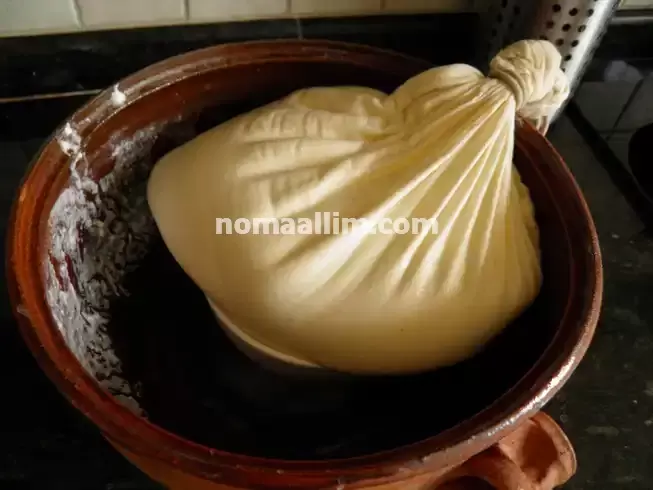
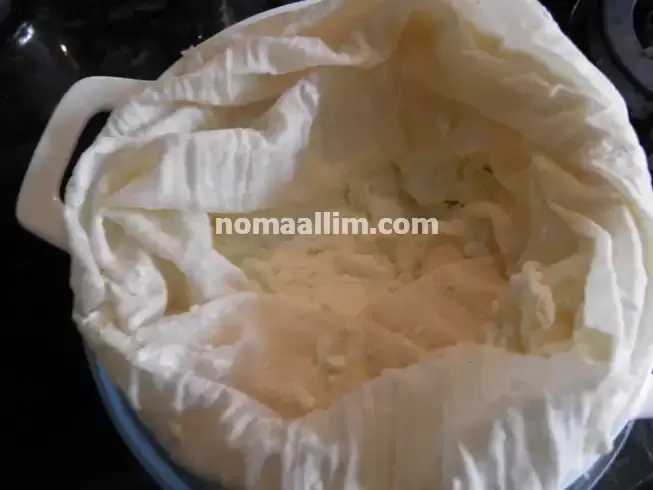
Start by making labneh, click on the below link to see how.
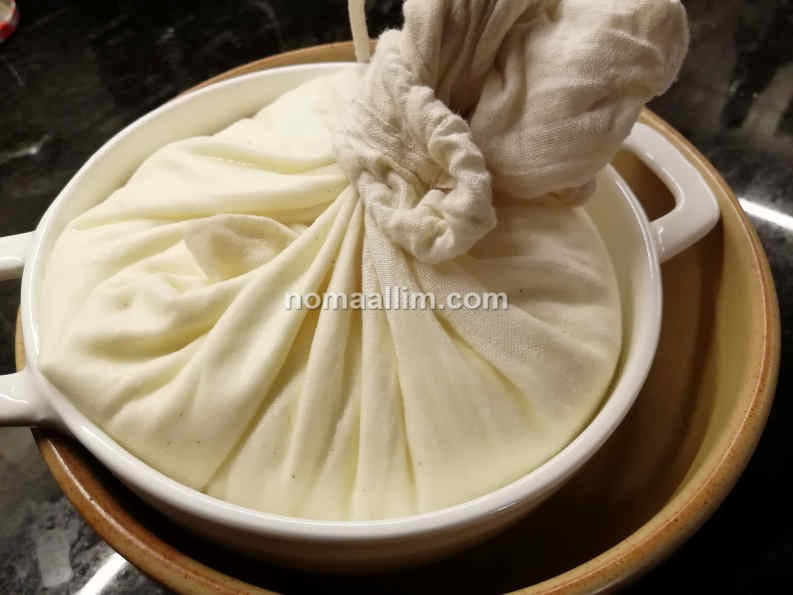
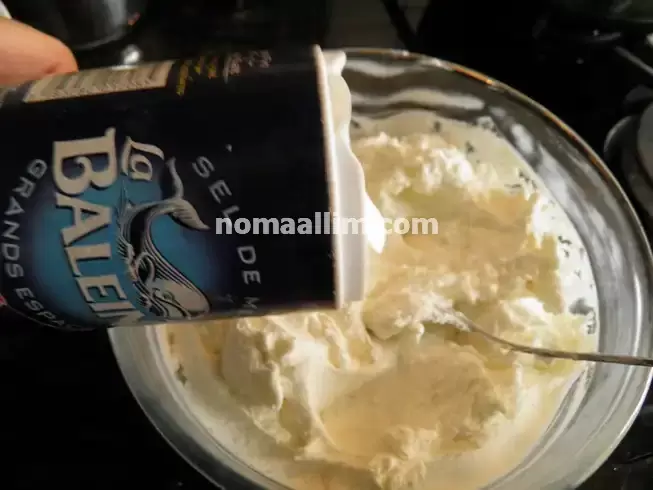
Open the labneh bag, remove the labneh and put it in a bowl, add a bit of salt.
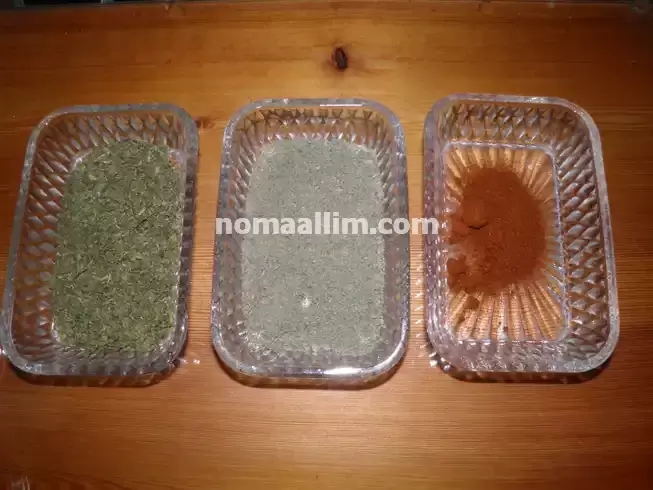
Prepare herbs and condiments to taste, in this case from left to right:
Dried mint
Dried thyme
Ground red chilies
Dried mint
Dried thyme
Ground red chilies
|
|
|
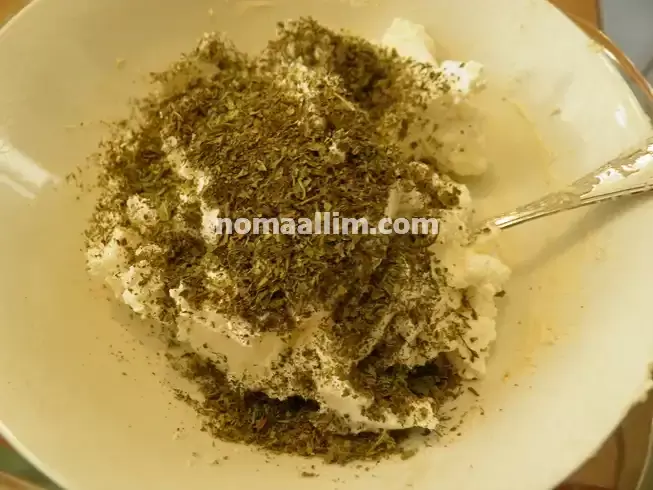
Mix the herbs or condiments to the labneh in a dish.
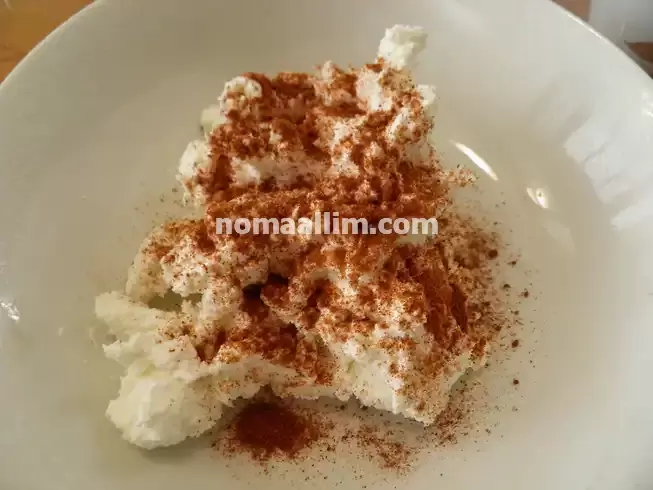
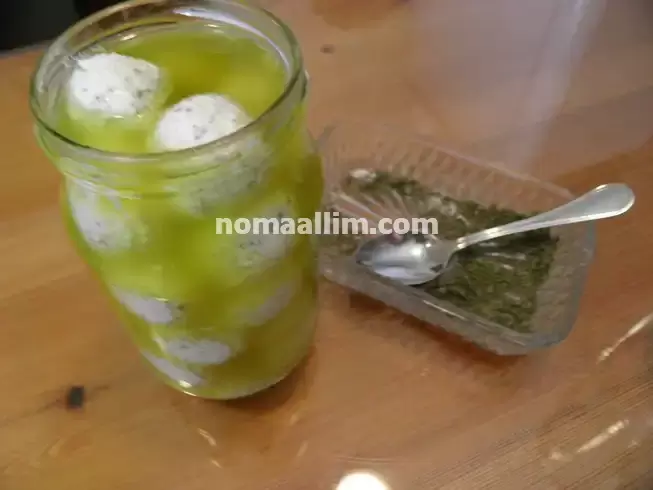
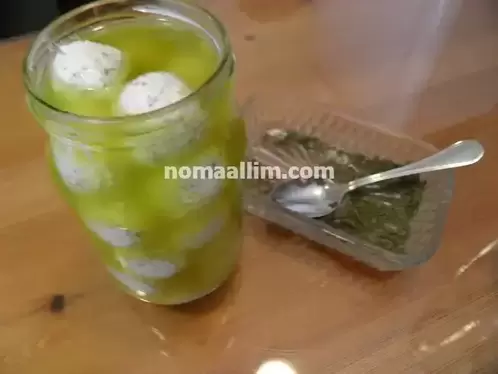
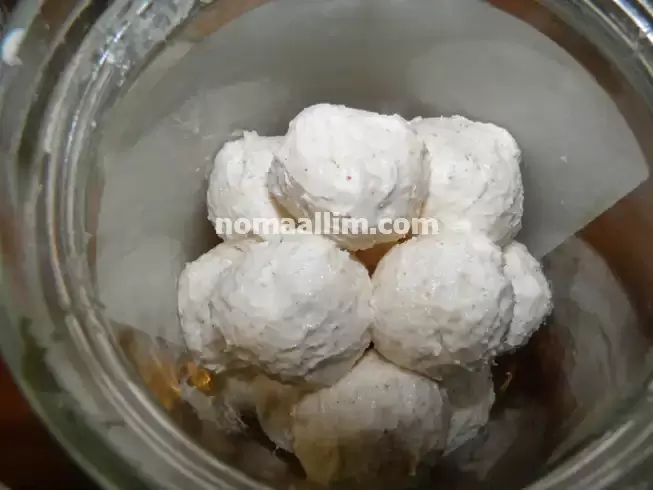
With your hand, make balls of a table tennis ball size as shown and carefully put the balls in a glass jar.
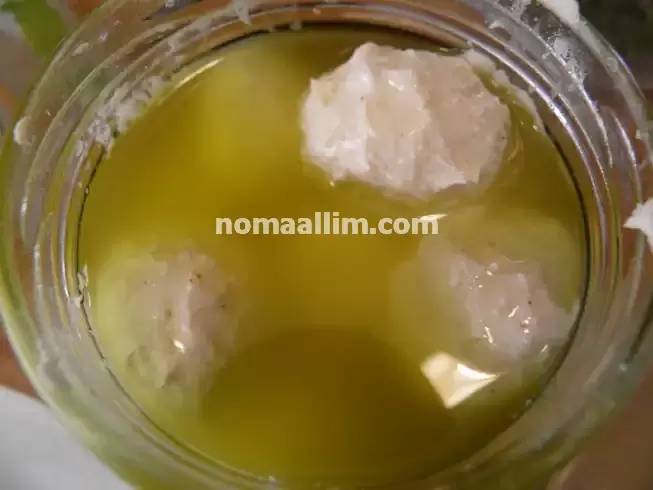
Add olive oil until the balls are completely covered.
Put in the fridge and enjoy!
Add olive oil until the balls are completely covered.
Put in the fridge and enjoy!

Bon appétit !