COPYRIGHT WARNING:
All pictures and texts in this web page are the property of nomaallim.com. Any use of any part of those contents without the written consent of nomaallim.com shall be subject to legal procedures as per international and local laws in the concerned country. Using the name "nomaallim" or "nomaallim com" or "nomaallim.com" in the text describing the unauthorized copied content shall not constitute an exception and shall be sanctioned in accordance to the effective laws and proceedings.
All pictures and texts in this web page are the property of nomaallim.com. Any use of any part of those contents without the written consent of nomaallim.com shall be subject to legal procedures as per international and local laws in the concerned country. Using the name "nomaallim" or "nomaallim com" or "nomaallim.com" in the text describing the unauthorized copied content shall not constitute an exception and shall be sanctioned in accordance to the effective laws and proceedings.
BEFORE YOU START
DISCLAIMER:
Our pictorials are of informative nature and do illustrate works carried out by ourselves at our own premises for our own use and satisfaction. Readers who envisage to carry out similar works inspired by the below method shall do this at their own risks and liability. |
|
What is varnish? Old vs. New gasoline
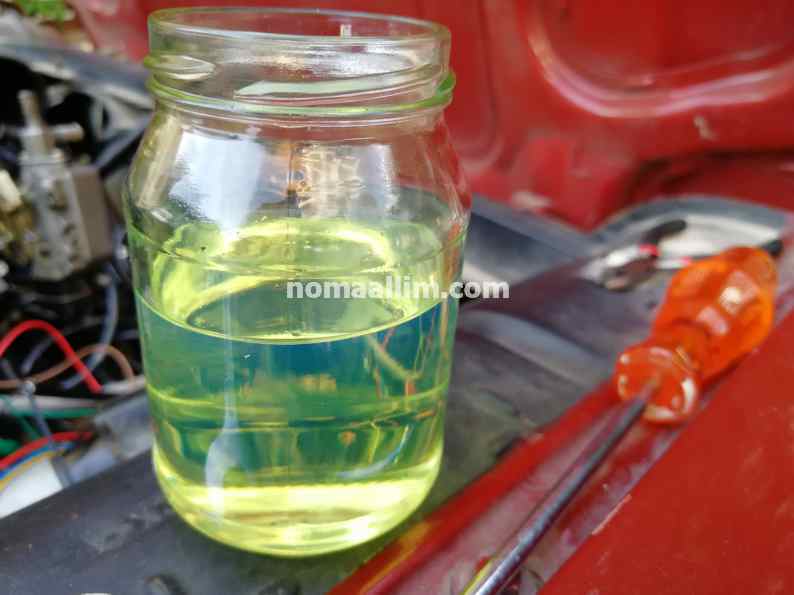
To the left, new gasoline: clear color, good transparency, strong smell resulting from strong vapors.
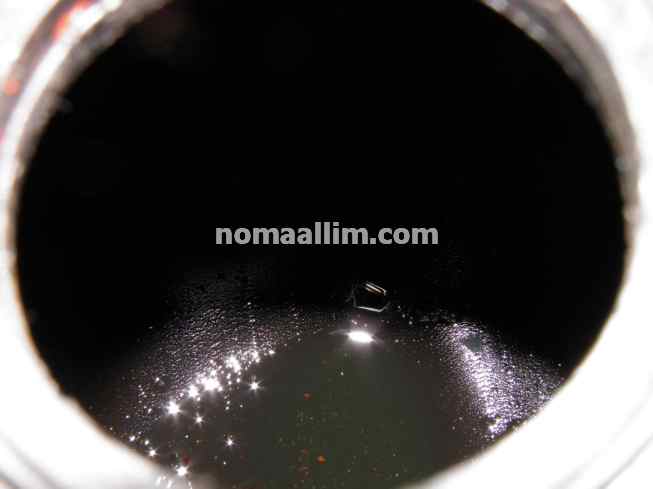
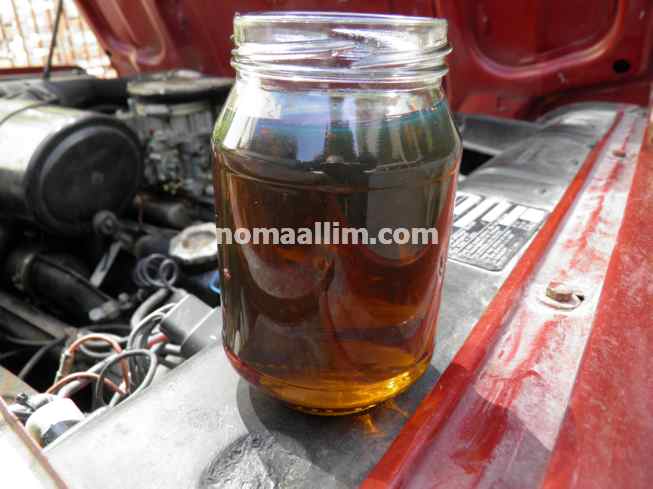
To the right, 5 years aged gasoline as extracted from the classic car tank and carburetor (carburettor): dark color like cola or any caramelized drink, increased opacity, less smell due to evaporated liquid. This is when gasoline turns into the so-called varnish.
To the right, 5 years aged gasoline as extracted from the classic car tank and carburetor (carburettor): dark color like cola or any caramelized drink, increased opacity, less smell due to evaporated liquid. This is when gasoline turns into the so-called varnish.
|
Fresh unleaded 95 gasoline
|
5-year old varnish resulting from unleaded 95 gasoline
|
|
|
|
Symptoms of old gasoline in an old or classic car and how to fix them
The concerned engine, a Simca 1500 equipped with a Solex carburetor as found in the Peugeot 405 could not start with the 5-year old gasoline. There is no ignition at all, the starter motor simply cranks the engine indefinitely with no firing of any kind.
|
|
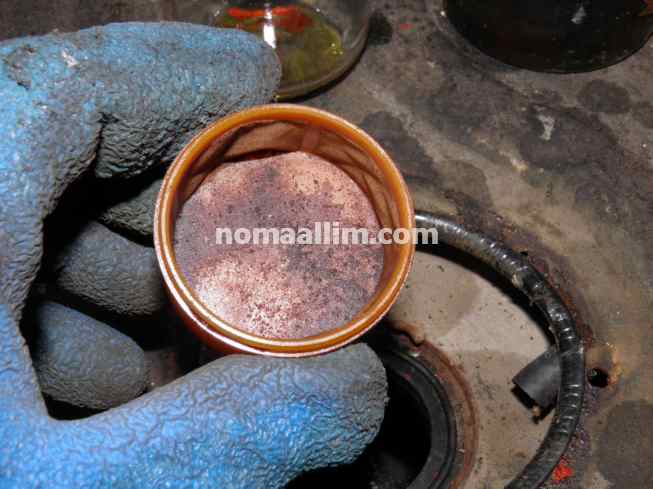
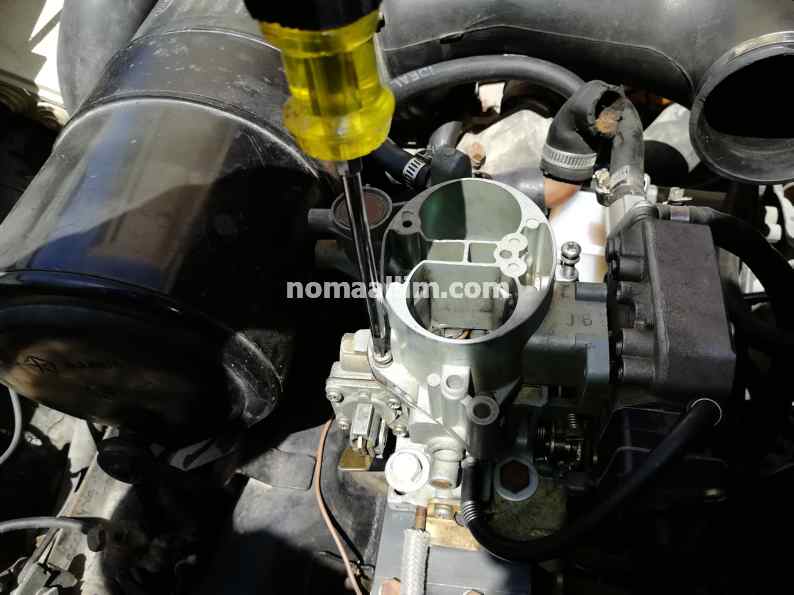
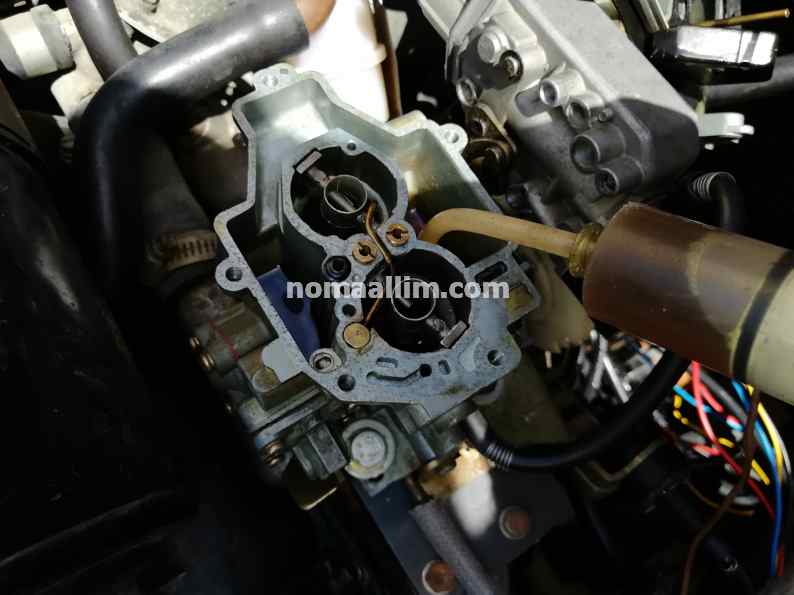
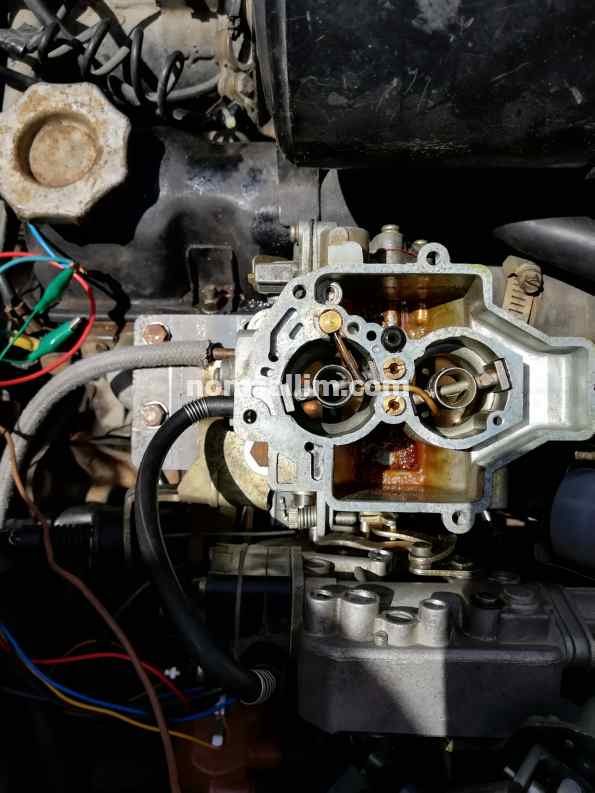
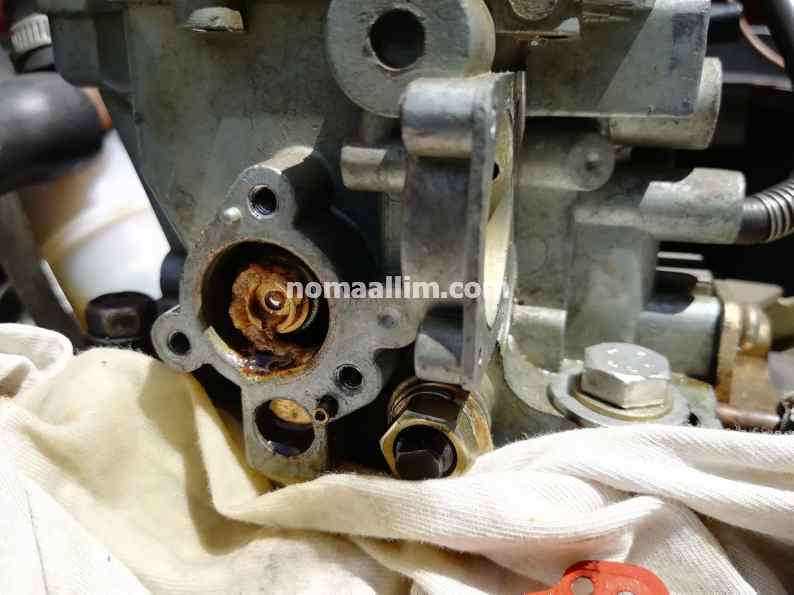
The removal of the carburetor's top (carburettor) and the emptying of the carburetor from gasoline shows how a sticky and thick sludge has formed onto its walls and left solids inside the acceleration pump.
The fix to the old gasoline problem then consists of:
The fix to the old gasoline problem then consists of:
- Complete carburetor (carburettor) dismantling and cleaning.
- A diagnostic of the carburetor's floats, needle and membrane pumps along with the necessary adjustments
- Complete emptying of the gas tank
- Refilling the tank with new gasoline
- Starting the engine and proceeding with the carburetor (carburettor) tuning
|
|
Visit our related pages for the above fixes or see further below for the gas tank emptying and refilling:
|
|
|
Emptying the gas tank and refilling with new gasoline
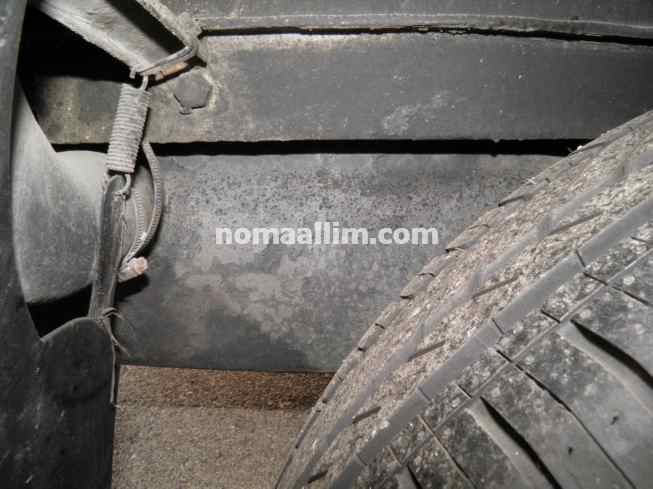
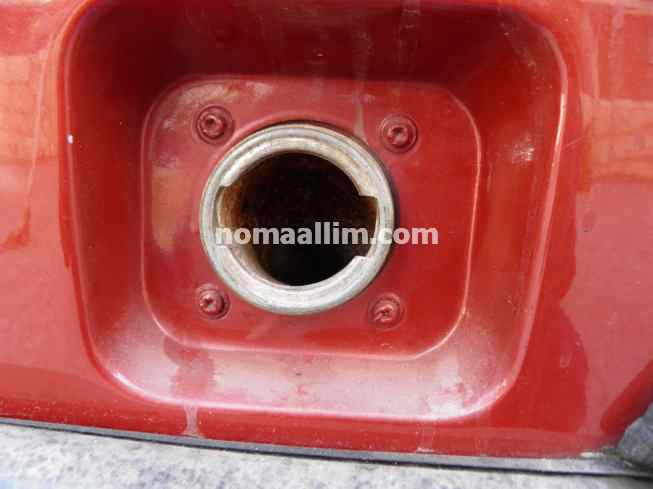
The gas tank (fuel tank) has no drain plug, you need to empty it through the filling neck, which is not always simple.
Use a siphon pump with a corrugated hose. You wouldn't be able to empty the very last liter of gasoline however.
Use a siphon pump with a corrugated hose. You wouldn't be able to empty the very last liter of gasoline however.

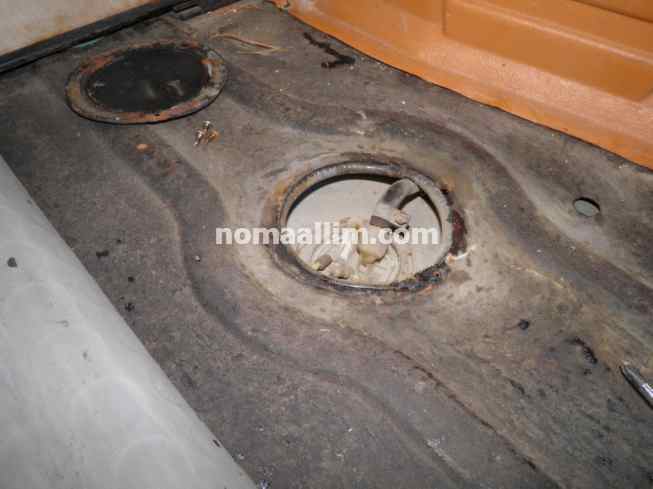
Remove the carpet from your boot (trunk) in order to find the gas tank trap.
Disconnect the fuel hose (s) and the float level wire connectors.
Disconnect the fuel hose (s) and the float level wire connectors.
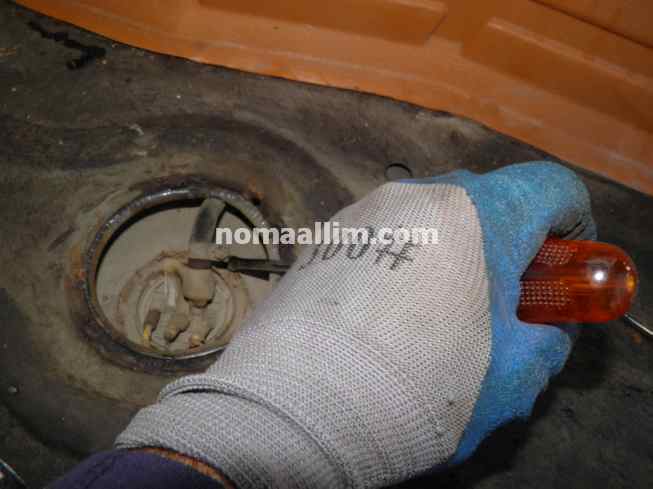
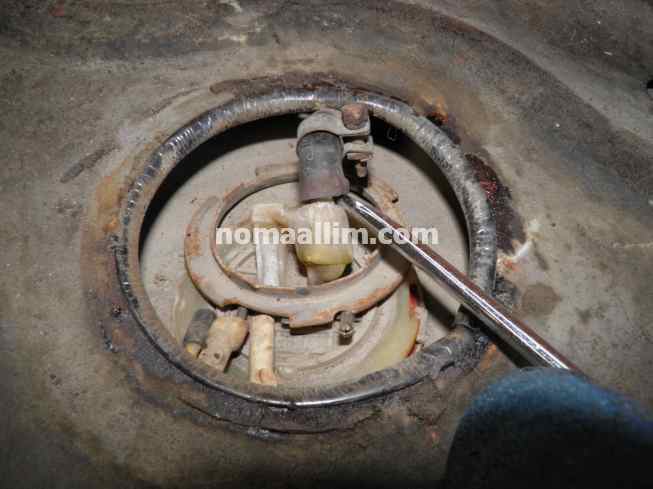
Take out the float switch and use a large syringe to extract the last ml of old gasoline.
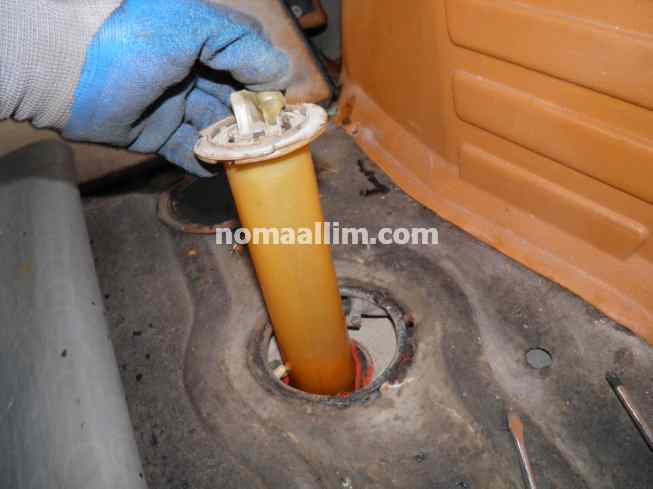

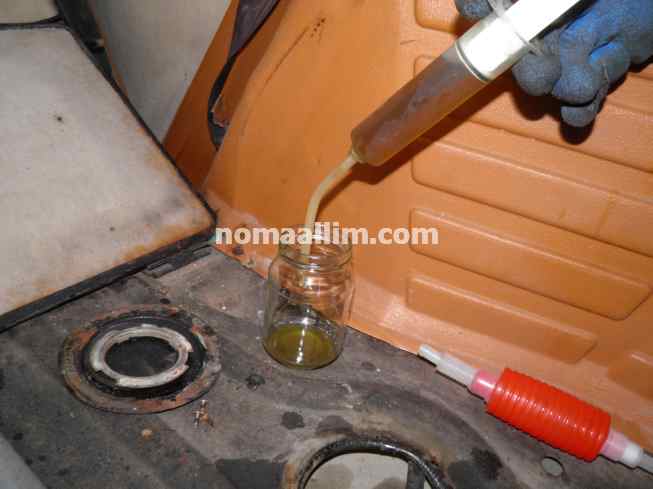
Clean the fuel inlet strainer and reassemble everything.
Fill new gasoline in the tank and start your engine!
Fill new gasoline in the tank and start your engine!